The First Four Weeks of a New Visitor
What happens —or doesn’t happen— during a visitor’s first month determines whether they come back or get lost in the crowd. A week-by-week look at that short, decisive window.
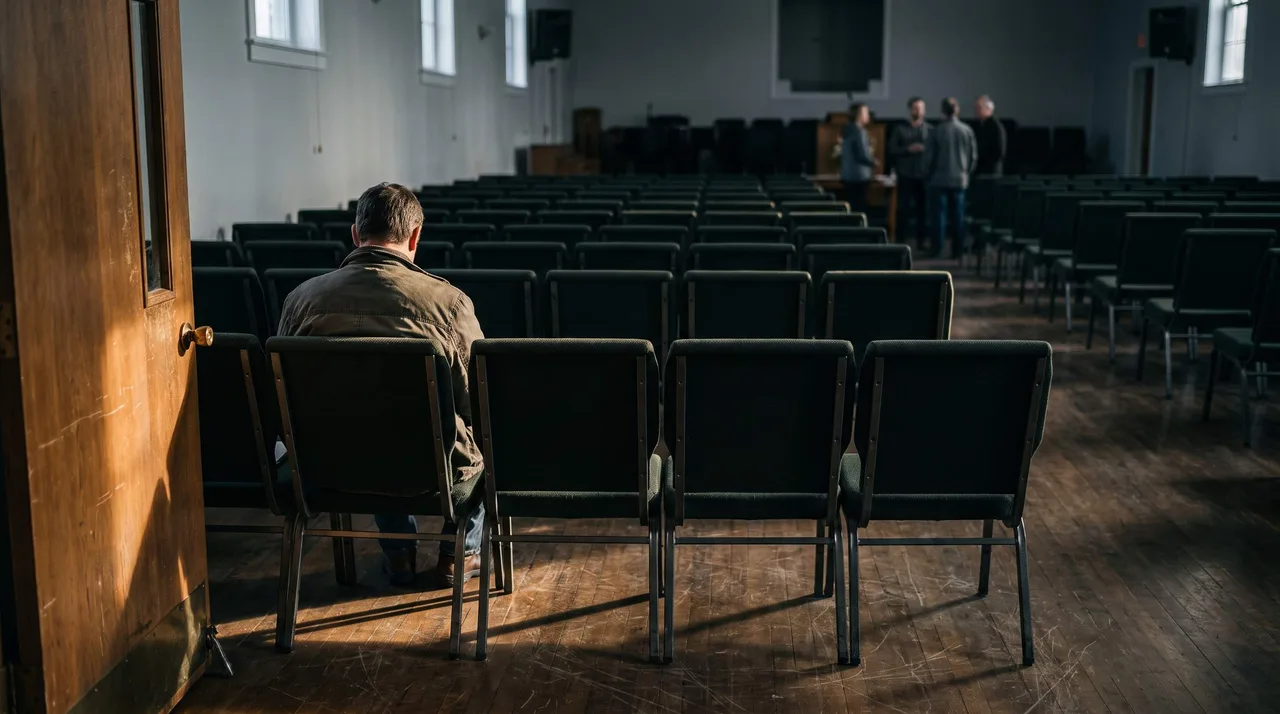
Someone new came last Sunday. They sat near the door, not knowing anyone. Few noticed the new face, and even fewer will remember it if they return.
That first moment decides far more than it seems. It doesn’t decide whether they liked the music or whether the message was good. It almost always decides whether that person will come back.
The first few weeks of a new visitor are the shortest and most decisive window in the entire church integration process: specifically, the four weeks that determine whether they return or not. After that first month, the person has already formed an impression: this place is for me, or it isn’t. What happens —or doesn’t happen— during those four weeks defines almost everything that follows.
It is also the moment that tends to receive the least attention. There is structure for years of discipleship, for cell groups that are already working, for leaders who are already trained. But the person who came for the first time last Sunday is often left to chance: hoping that someone, on their own initiative, decides to reach out.
What does a new visitor need in their first weeks at church?
Above all, they need to feel recognized without feeling exposed: someone who remembers their name the second time, a clear place to sit, and a concrete invitation —to a cell group, a coffee, a small gathering— before the first month is over. Without that, the church remains a place they visited once, not a place they belong.
Week 1: first impressions don’t come twice
No one gets a second chance at a first impression. Week 1 is decided in minutes: who greets them on arrival, whether someone sits nearby, whether there is any point of contact beyond the pastor speaking from the front.
What works is not an elaborate protocol. It’s one person —an usher, a cell leader, any member— who approaches, asks their name, and uses it. That gesture, repeated with care, is worth more than any welcome brochure.
The most common mistake in this week is letting the welcome depend only on the announcement from the front, in the style of “if there are visitors, please raise your hand.” For many people, that is exactly what they don’t want: to be put on display in front of strangers.
Week 2: the moment they decide whether they’ll come back
The second visit is, in many ways, the one that really matters. Coming once can be curiosity. Coming twice is already starting to be a decision.
This week, what matters most is whether someone recognized them. There’s no need for a speech: a simple comment that shows someone paid attention the first time is enough. That small detail tells the person they were seen there, not just told about the place.
It is also the moment to offer a concrete, small next step. Nothing about major commitments or membership. Something simple: have coffee with someone their age, join a specific activity, meet someone who lives nearby.
Week 3: from visitor to a person with a name
By the third week, someone new should no longer feel like a stranger in the crowd. They should have, at the very least, a proper name within the church: the person who invited them for a drink, a cell group leader, someone who offered to sit with them next Sunday.
This is the week when it makes sense to invite them to something smaller than the main service: a cell group, a group meeting, a smaller setting. A large service welcomes people. A small group makes room for them.
Many churches already have the right cell group for that person, but no one makes the connection between who came and which group might be a good fit by age, area, or stage of life. When that connection is made in time, it turns a generic invitation into one that truly makes sense for that specific person.
A few simple questions help organize follow-up at this stage:
- Does someone already know their name and something about their story?
- Do they have a concrete invitation to a smaller group?
- Is there one person —not a role, a person— responsible for accompanying them?
Week 4: what to do if they didn’t come back
Not everyone returns in the fourth week. And that’s where most people are lost without anyone noticing: when someone stops coming, but there was never any real follow-up, no call, no visit, not even a question about what happened.
A simple message, without pressure, is usually enough: asking how they are, saying they were missed, leaving the door open without demanding an immediate response. The idea is not to call out an absence. It’s to show that someone cared.
People don’t get lost because of a lack of love; they get lost because of a lack of follow-up.
The first four weeks are, almost always, where that follow-up falls apart. Not because of a lack of intention, but because no one had clearly defined whose responsibility it was to accompany that particular person.
Frequently asked questions about integrating new visitors
How long should you wait before inviting a visitor to a cell group?
You don’t need to wait too long. The second or third week is already a good time for a concrete, no-pressure invitation to a small group.
Who should follow up with a new visitor?
Ideally, one specific person, with a first and last name, not a general announcement or a vague task spread across “the welcome team.” When follow-up doesn’t have a clear owner, it eventually falls through the cracks.
What should you do if a visitor stops coming after the first month?
A brief, no-pressure contact is usually enough: a call or a message that shows genuine interest, without any reproach.
Organizing these four weeks doesn’t depend on having more people or more resources. It depends on knowing who does what each week, and on making sure that follow-up doesn’t depend only on one person’s memory.
For churches that are building this kind of accompaniment from scratch, INPERIA is available at no cost in this first stage.
- church administration
- church growth
- church management
- INPERIA
- church organization
- pastoral follow-up
- church software